DVD-quality lessons (including tabs/sheet music) available for immediate viewing on any device.
Take your playing to the next level with the help of a local or online mandolin teacher.
Monthly newsletter includes free lessons, favorite member content, mandolin news and more.
Premier Sponsors


|
Please note this is an archived topic, so it is locked and unable to be replied to. You may, however, start a new topic and refer to this topic with a link: http://www.mandohangout.com/archive/26898
HardRockRecords - Posted - 03/06/2012: 21:28:33
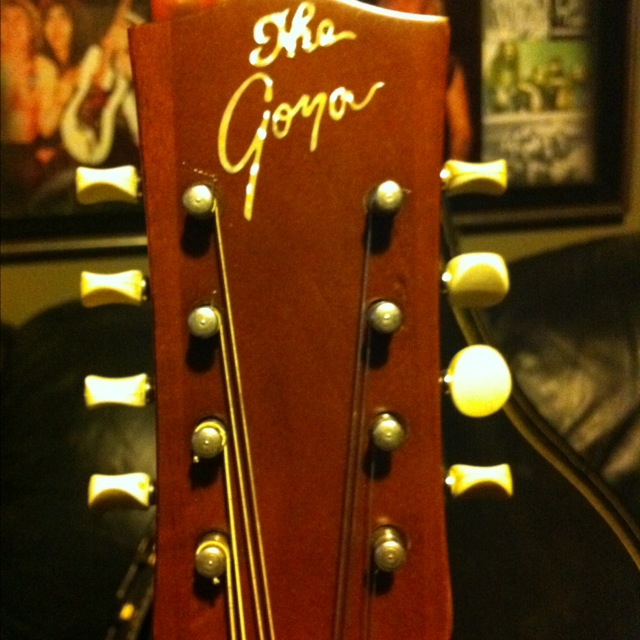
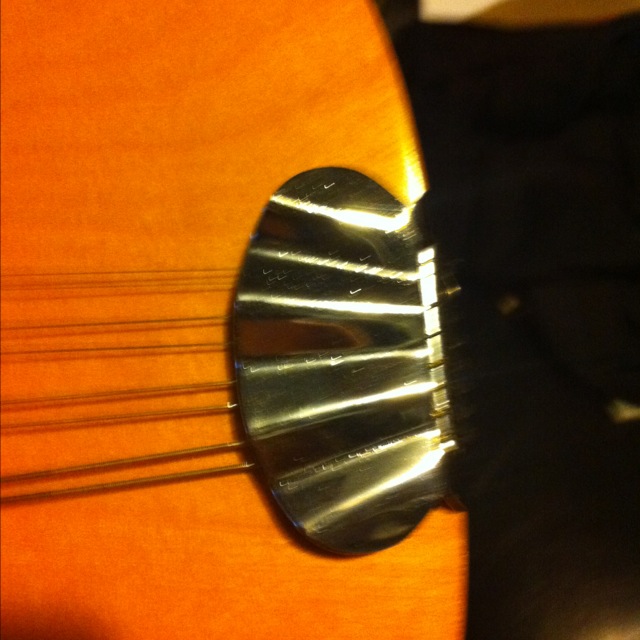
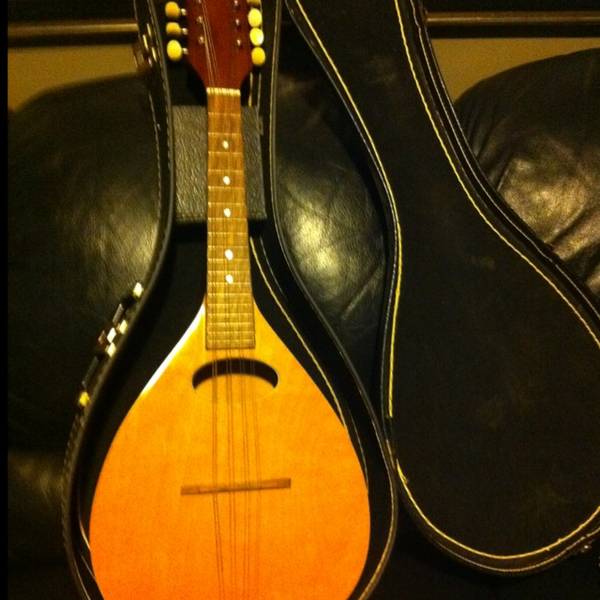
I have a Goya Mandolin and I can't find any information on it at all. Something that is different from the ones that I have seen is it says "The Goya" rather than just "Goya" . The front has a yellowish color with an oval sound hole. It has no pick guard and it has a clam shell piece on the bottom. There is no serial number any where.... Anyone with any information please let me know. Will try to post a picture up soon.
Ben Venuti - Posted - 03/07/2012: 08:26:06
"Goya" was a trade name for marketing Levin instruments in the US. Levin, a Swedish Co. made some pretty decent instruments. The Goya name first appeared about 1958. They were entry level instruments and high grade instruments. Their guitars were popular with folkies in the 60's. The G30 guitar was really pretty wonderful, sold for about $600,which was a small fortune in it's day. The G10 guitar was maybe one of the best guitars for the money in the early 60's, it sold for about $100. Levin had been in business for many years before that, Levin having come to the US and worked with Martin. He went back to Gotenburg and started building there.
The Goya name was bought by a Kansas firm in the 70's but the instruments were still produced by Levin. Martin bought the name I believe in the late 70's and moved production to Korea which was a big downturn in quality. Levin produced a mandolin called "The Aristocrat" which was a fairly high end mandolin but I don't think it was ever sold as a "Goya". You should post a picture. Is it Swedish made or Korean? Does it have a label? What does it say? Goya serial numbers are somewhat mysterious,do not coincide with Levin numbers andf are a code that I have been unable to crack. There are clues in the labeling that can narrow the down the period that it was produced.
Jim Yates - Posted - 03/07/2012: 22:17:15
Many of the Goya models from the late fifties /early sixties are the exact same guitar as the Levins with a different name on the headstock. I have a 1958 Goya M-26 and my friend Jude has an equivalent Levin. Apparently the Levin Company branded the guitars "Goya" for the North American market. The truss rod covers on mine and Jude's guitars both have the Levin name and crest.
Although it's not very active lately, there's a lot of info, including old catalogues on this site: goyaguitars.tripod.com/index1.htm#home
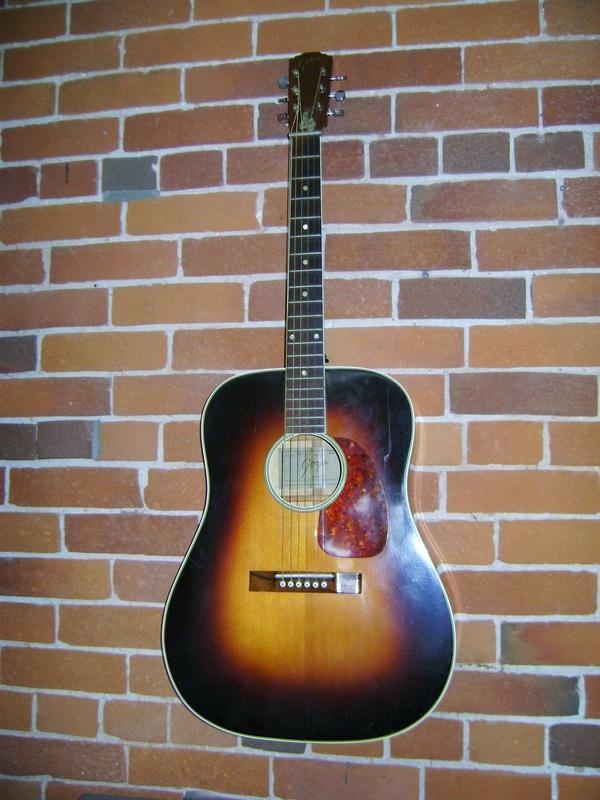
Here's my 1958 Goya M-26:
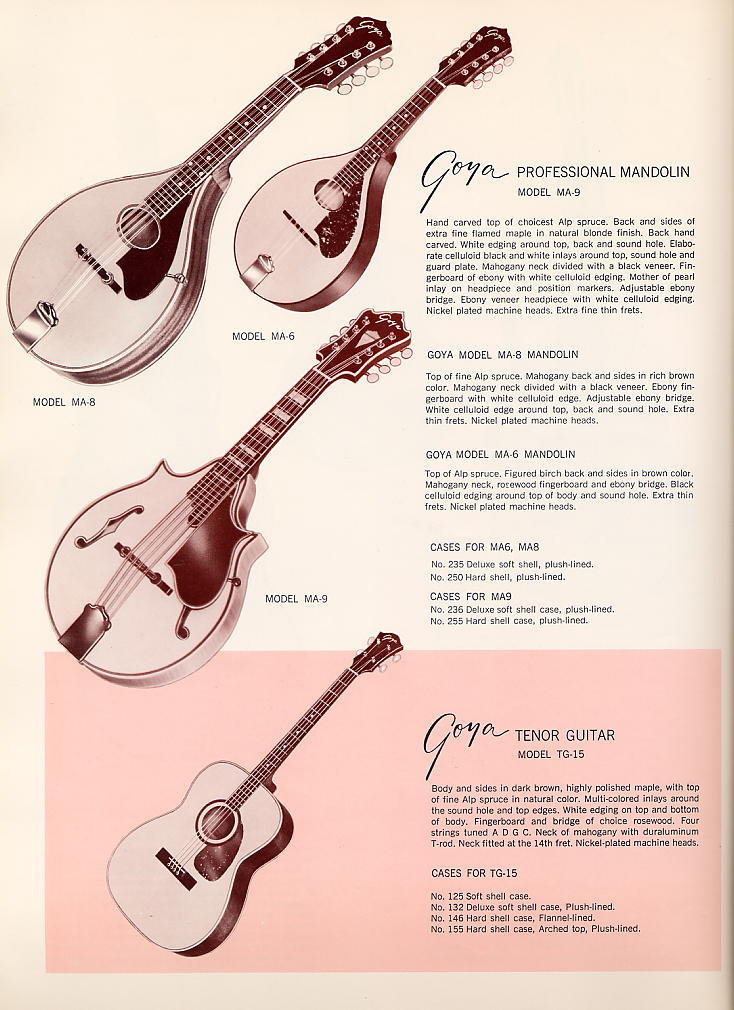
Here is a page from the 1966 Goya catalogue:
Edited by - Jim Yates on 03/07/2012 22:27:59
HardRockRecords - Posted - 03/10/2012: 13:34:16
quote:
Originally posted by Ben Venuti
"Goya" was a trade name for marketing Levin instruments in the US. Levin, a Swedish Co. made some pretty decent instruments. The Goya name first appeared about 1958. They were entry level instruments and high grade instruments. Their guitars were popular with folkies in the 60's. The G30 guitar was really pretty wonderful, sold for about $600,which was a small fortune in it's day. The G10 guitar was maybe one of the best guitars for the money in the early 60's, it sold for about $100. Levin had been in business for many years before that, Levin having come to the US and worked with Martin. He went back to Gotenburg and started building there.
The Goya name was bought by a Kansas firm in the 70's but the instruments were still produced by Levin. Martin bought the name I believe in the late 70's and moved production to Korea which was a big downturn in quality. Levin produced a mandolin called "The Aristocrat" which was a fairly high end mandolin but I don't think it was ever sold as a "Goya". You should post a picture. Is it Swedish made or Korean? Does it have a label? What does it say? Goya serial numbers are somewhat mysterious,do not coincide with Levin numbers andf are a code that I have been unable to crack. There are clues in the labeling that can narrow the down the period that it was produced.
HardRockRecords - Posted - 03/10/2012: 13:37:51
quote:
Originally posted by Ben Venuti
"Goya" was a trade name for marketing Levin instruments in the US. Levin, a Swedish Co. made some pretty decent instruments. The Goya name first appeared about 1958. They were entry level instruments and high grade instruments. Their guitars were popular with folkies in the 60's. The G30 guitar was really pretty wonderful, sold for about $600,which was a small fortune in it's day. The G10 guitar was maybe one of the best guitars for the money in the early 60's, it sold for about $100. Levin had been in business for many years before that, Levin having come to the US and worked with Martin. He went back to Gotenburg and started building there.
The Goya name was bought by a Kansas firm in the 70's but the instruments were still produced by Levin. Martin bought the name I believe in the late 70's and moved production to Korea which was a big downturn in quality. Levin produced a mandolin called "The Aristocrat" which was a fairly high end mandolin but I don't think it was ever sold as a "Goya". You should post a picture. Is it Swedish made or Korean? Does it have a label? What does it say? Goya serial numbers are somewhat mysterious,do not coincide with Levin numbers andf are a code that I have been unable to crack. There are clues in the labeling that can narrow the down the period that it was produced.
HardRockRecords - Posted - 03/10/2012: 13:39:38
I posted a picture down below, there is no label in the sound hole. and as far as were it was made i dont have a clue. Hopefully this picture will point that out? I guessing its a 70's remake?
HardRockRecords - Posted - 03/10/2012: 13:41:37
quote: thanks , the ones in the catalogues are the same shape but they have slight differences , like no pickguard , the bottom piece is different and it says The Goya on mine. Very nice guitar.
Originally posted by Jim Yates
Many of the Goya models from the late fifties /early sixties are the exact same guitar as the Levins with a different name on the headstock. I have a 1958 Goya M-26 and my friend Jude has an equivalent Levin. Apparently the Levin Company branded the guitars "Goya" for the North American market. The truss rod covers on mine and Jude's guitars both have the Levin name and crest.
Although it's not very active lately, there's a lot of info, including old catalogues on this site: goyaguitars.tripod.com/index1.htm#home
Here's my 1958 Goya M-26:
Here is a page from the 1966 Goya catalogue:
HardRockRecords - Posted - 03/10/2012: 13:42:04
quote: I posted a picture down below , let me know what you think.
Originally posted by Ben Venuti
"Goya" was a trade name for marketing Levin instruments in the US. Levin, a Swedish Co. made some pretty decent instruments. The Goya name first appeared about 1958. They were entry level instruments and high grade instruments. Their guitars were popular with folkies in the 60's. The G30 guitar was really pretty wonderful, sold for about $600,which was a small fortune in it's day. The G10 guitar was maybe one of the best guitars for the money in the early 60's, it sold for about $100. Levin had been in business for many years before that, Levin having come to the US and worked with Martin. He went back to Gotenburg and started building there.
The Goya name was bought by a Kansas firm in the 70's but the instruments were still produced by Levin. Martin bought the name I believe in the late 70's and moved production to Korea which was a big downturn in quality. Levin produced a mandolin called "The Aristocrat" which was a fairly high end mandolin but I don't think it was ever sold as a "Goya". You should post a picture. Is it Swedish made or Korean? Does it have a label? What does it say? Goya serial numbers are somewhat mysterious,do not coincide with Levin numbers andf are a code that I have been unable to crack. There are clues in the labeling that can narrow the down the period that it was produced.
Ben Venuti - Posted - 03/10/2012: 15:59:09
As far as the "Aristocrat" goes it is the same as the MA-9 in the catalog picture above. Also,paradoxically, one ,a Goya, just appeared on ebay. So they did appear here as "Goyas". The photo is not complete -can't see the top of the headstock or the tailpiece. Where does it say "The Goya"? Is it in similar script to the Goya logos that are pictured above? Does it look old? I don't think it would be from the Martin era, so it's newer or older or not one at all. Many of these names reappear,either by license or they just find that they are abandoned and use them. China, for example, has some weird laws about copyright and trademark. When Chris Martin went to China to register "Martin" as a trade name he found that someone else already had the rights. He already knew someone was marketing phony Martin's he didn't know that they had Chinese law on their side. He was having a difficult time getting it straightened out which would not be very difficult in most countries. Recording King and B&J Player have been revised. Washburn "came back" years ago and they like to pretend that they are part of a continuing historical tradition which has no basis what so ever. There is no relationship or handing off of the baton between the Lyon and Healy Co and the new Washburn Co. You would like to think that when someone makes an instrument pretending that it's a known brand name, like the Gibson mandolins that seem to crop up all the time, that they would get caught at the border but so much stuff hits the shores everyday that it would be impossible to keep track of and a few counterfeit instruments are really small potatoes. I don't know what that is you have there. Sometimes the "made in" thing is just a sticker and people take those off.
HardRockRecords - Posted - 03/10/2012: 18:20:36
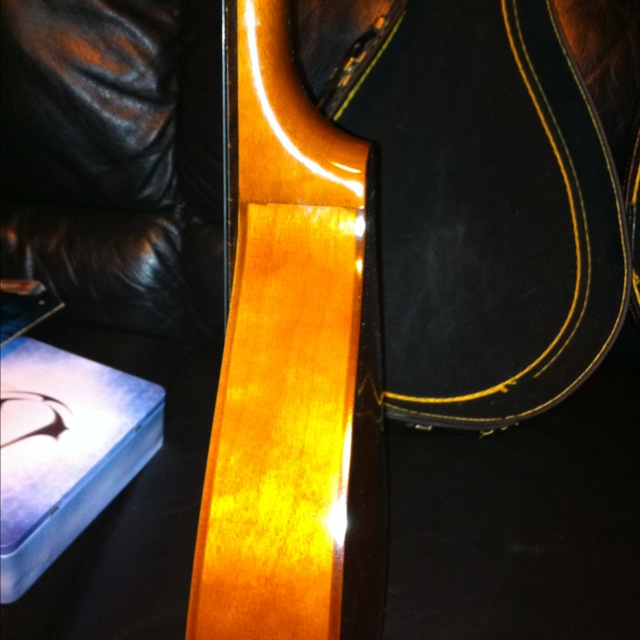
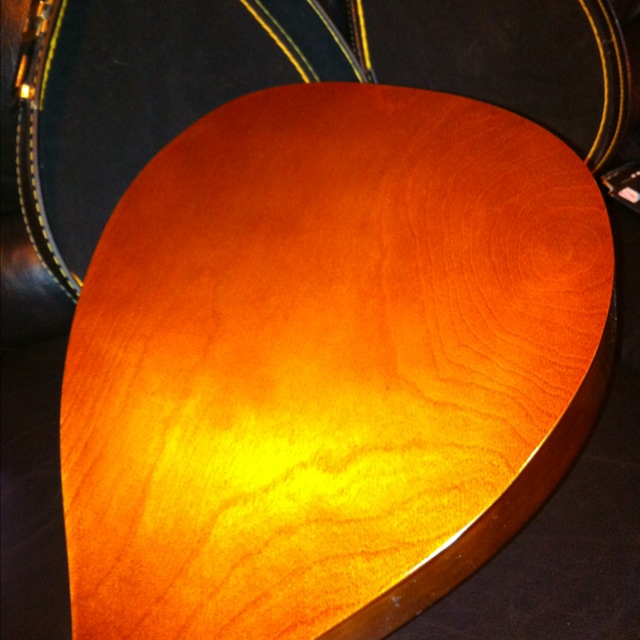
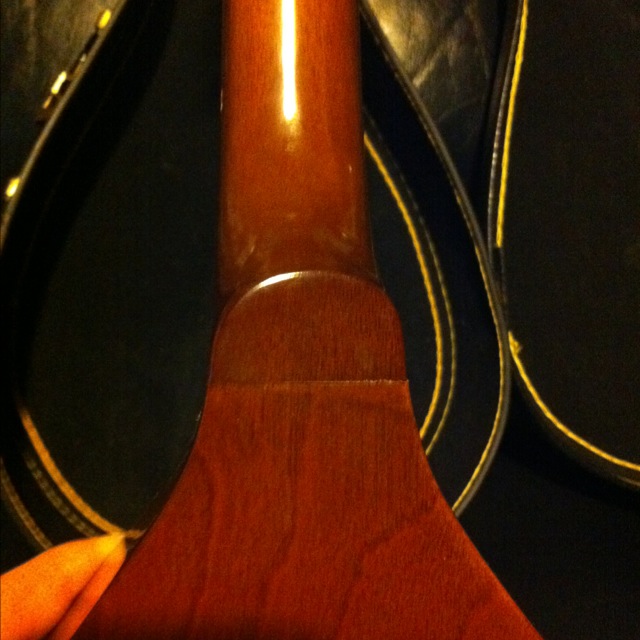
quote: Here are a couple more pictures , i thank you for all the information you are giving me. Tomorrow i am going to be taking it to a tv show called Pawnathon Canada and the more inormation i know the better. This mandolin puzzles me as i cant find any one like it.
- Jacob.
Originally posted by Ben Venuti
As far as the "Aristocrat" goes it is the same as the MA-9 in the catalog picture above. Also,paradoxically, one ,a Goya, just appeared on ebay. So they did appear here as "Goyas". The photo is not complete -can't see the top of the headstock or the tailpiece. Where does it say "The Goya"? Is it in similar script to the Goya logos that are pictured above? Does it look old? I don't think it would be from the Martin era, so it's newer or older or not one at all. Many of these names reappear,either by license or they just find that they are abandoned and use them. China, for example, has some weird laws about copyright and trademark. When Chris Martin went to China to register "Martin" as a trade name he found that someone else already had the rights. He already knew someone was marketing phony Martin's he didn't know that they had Chinese law on their side. He was having a difficult time getting it straightened out which would not be very difficult in most countries. Recording King and B&J Player have been revised. Washburn "came back" years ago and they like to pretend that they are part of a continuing historical tradition which has no basis what so ever. There is no relationship or handing off of the baton between the Lyon and Healy Co and the new Washburn Co. You would like to think that when someone makes an instrument pretending that it's a known brand name, like the Gibson mandolins that seem to crop up all the time, that they would get caught at the border but so much stuff hits the shores everyday that it would be impossible to keep track of and a few counterfeit instruments are really small potatoes. I don't know what that is you have there. Sometimes the "made in" thing is just a sticker and people take those off.
HardRockRecords - Posted - 03/10/2012: 18:23:24
quote:
Originally posted by Ben Venuti
As far as the "Aristocrat" goes it is the same as the MA-9 in the catalog picture above. Also,paradoxically, one ,a Goya, just appeared on ebay. So they did appear here as "Goyas". The photo is not complete -can't see the top of the headstock or the tailpiece. Where does it say "The Goya"? Is it in similar script to the Goya logos that are pictured above? Does it look old? I don't think it would be from the Martin era, so it's newer or older or not one at all. Many of these names reappear,either by license or they just find that they are abandoned and use them. China, for example, has some weird laws about copyright and trademark. When Chris Martin went to China to register "Martin" as a trade name he found that someone else already had the rights. He already knew someone was marketing phony Martin's he didn't know that they had Chinese law on their side. He was having a difficult time getting it straightened out which would not be very difficult in most countries. Recording King and B&J Player have been revised. Washburn "came back" years ago and they like to pretend that they are part of a continuing historical tradition which has no basis what so ever. There is no relationship or handing off of the baton between the Lyon and Healy Co and the new Washburn Co. You would like to think that when someone makes an instrument pretending that it's a known brand name, like the Gibson mandolins that seem to crop up all the time, that they would get caught at the border but so much stuff hits the shores everyday that it would be impossible to keep track of and a few counterfeit instruments are really small potatoes. I don't know what that is you have there. Sometimes the "made in" thing is just a sticker and people take those off.
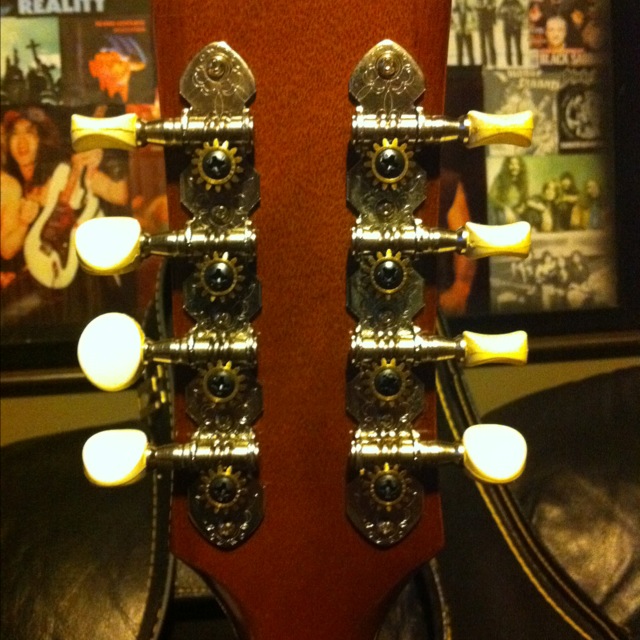
Danb1455 - Posted - 12/27/2015: 06:40:38
quote: The Goya
Originally posted by HardRockRecords
I have a Goya Mandolin and I can't find any information on it at all. Something that is different from the ones that I have seen is it says "The Goya" rather than just "Goya" . The front has a yellowish color with an oval sound hole. It has no pick guard and it has a clam shell piece on the bottom. There is no serial number any where.... Anyone with any information please let me know. Will try to post a picture up soon.
I just purchase this same mandolin with The Goya head stock label it seems to have a signature written in pencil inside the mandolin very very hard to read if its a signature
Reviewexpress - Posted - 10/24/2017: 01:16:27
can you tell me that how long stability goya mandolin, is it good for beginners?
Thanks
Terms of Use | Privacy Policy | Privacy Consent (EU/GDPR Only)
Copyright 2026 Mando Hangout. All Rights Reserved.